
Hyper-Personalisation & First-Party Data: The Future of Customer Engagement on HYPMMEDIA

Hyper-Personalisation& First-Party Data: The Future of Customer Engagement on HYPMMEDIA In today’s fast-evolving digital marketing ecosystem, one trend stands out as both powerful and necessary: hyper-personalisation, powered by first-party data. As third-party cookies phase out and user privacy becomes non-negotiable, brands that master this combination will be the ones that truly connect, convert, and retain. What Is First-Party Data — And Why It Matters First-party data refers to information a business collects directly from its own audience — via its website, app, email interactions, purchase history, surveys, and more. This kind of data is inherently valuable because: It’s accurate and directly tied to your real users. It’s privacy-friendly, since it’s collected with user consent and under your brand’scontrol. It reduces reliance on third-party sources, meaning lower costs and higher ROI As the digital landscape shifts — with tighter regulations and the deprecation of cookies — first-party data is becoming the bedrock of marketing that’s both effective and ethical. What Does Hyper-Personalisation Look Like? Unlike basic personalization (e.g., “Dear {First Name}”), hyper-personalisation tailors every user interaction — content, offers, timing — to individual behavior, preferences, and context. Real-time behavior tracking: When a visitor browses a particular product page, you immediately surface related content, product recommendations or offers. Dynamic journey orchestration: Use AI or customer data platforms (CDPs) to trigger messages (email, in-app, SMS) based on specific user triggers — for example, cart abandonment, browsing frequency, or previous purchases. Segment + micro-segment: Instead of broad segments (e.g., “women 18–24”), you can create cohorts based on finer behaviors and preferences. Content customization: Your website or app adapts itself — showing different content, banners, or CTAs depending on who’s viewing and when. The Business Case: Why Hyper-Personalisation Powered by First-Party Data Works 1. Improved Customer Retention Brands in India are using hyper-personalised messaging to boost retention.According to ET Brand Equity, using first-party data to tailor communications at the right time helps companies “nudge” users toward repeat interaction. 2. Higher Engagement and Conversions When users receive content/offers that are genuinely relevant, they engage more — and convert more. Hyper-personalisation helps because it’s based on real user intent, not assumptions. 3. Marketing Efficiency By focusing on users you already know, you cut waste. Your campaigns cost less,because you’re not spraying and praying — you’re targeting with precision. 4. Trust & Compliance Using first-party data responsibly builds trust. In a world where users care about privacy, transparent data collection + usage is a differentiator. 5. Competitive Advantage As many brands are still figuring this out, companies that nail hyper-personalization via first-party data gain a strong strategic edge. ET Brand Equity commentary suggests that real-time, data-led personalization is becoming a key differentiator. Challenges & How to Overcome Them Hyper-personalisation and first-party data strategy are powerful — but not without hurdles. Here are some common challenges, and how HYPMMEDIA (or any brand) can navigate them: Challenges Data silos: Data coming from website, app, CRM, email but not unified Orchestration across channels:Inconsistent messaging across email, web, push Privacy & Consent: Collecting data responsibly and maintaining user trust Resource and Tech Cost: Building hyper-personalisation needs tools + expertise Over-personalization: Feels “creepy” to users Mitigation Strategy Use a Customer Data Platform (CDP) to unify data and get a 360° view of each user. Adopt a journey orchestration solution (or use your martech stack) that can trigger personalized campaigns across channels. Be transparent: clearly explain what data you collect, why, and how you’ll use it.Provide opt-out, and ensure security. Start with pilot projects. Use scalable tools/platforms (CDPs, AI) in phases. Measure ROI, then expand. Strike the right balance. Use personalization to help, not to manipulate. Ensure messages feel human, not just data-driven. Real-World Examples & Indian Context To make this more concrete: a few Indian brands are already leveraging hyper-personalisation + first-party data in effective ways : Zomato: Uses order history, location, and cuisine preferences to show highly relevant restaurant suggestions and offers. Myntra / Nykaa: E-commerce platforms analyze browsing patterns, cart behaviors,previous purchases — sending personalized offers, restock alerts, and product suggestions. MakeMyTrip: As mentioned during the DigiPlus Fest, their customer loyalty and repeat bookings benefit significantly from hyper-personalisation rooted in first-party data. Best Practices: How HYPMMEDIA Can Implement This Strategy Here’s a practical playbook for HYPMMEDIA (or your clients) to get started with hyper-personalisation + first-party data: 1. Audit Your Data Sources Map all the places you collect user data (website, mobile app, email, forms, CRM).Identify gaps and silos. 2. Build Your Consent Framework Implement explicit user consent. Use transparent messaging around what data is collected and how it will be used. 3. Select / Integrate a CDP Use a customer data platform to centralize data and create unified user profiles. This will be the backbone for personalization. 4. Model User Journeys Define key journeys: onboarding, activation, retention, re-engagement. For each, map the data points + triggers you’ll use for personalization. 5. Use AI & Analytics for Segmenting Use predictive analytics / machine learning to identify micro-segments and behavioral patterns. Decide which user actions should trigger what kind of message or experience. 6. Design Personalized Campaigns Create dynamic content for web, email, and mobile. For example: show different homepage banners, recommend products, or send behavior-triggered emails. 7. Test, Measure & Optimize Run A/B tests for personalized vs non-personalized experiences. Measure engagement, conversions, retention, ROI. Optimize based on results. 8. Maintain Trust Continuously communicate data-usage policies to your users. Allow users to manage their data preferences. Ensure strong security practices. Why This Matters for HYPMMEDIA If HYPMMEDIA embraces hyper-personalisation powered by first-party data, it stands to gain significantly: Stronger relationships: You build deeper trust with your audience because personalization is meaningful, not creepy. Better ROI: Your marketing becomes more efficient. Every campaign is informed by real user behaviour. Sustainable advantage: In a cookieless world, owning your first-party data gives you a competitive moat.Scalable Personalization: With AI and CDPs, you can deliver one-to-one experiences at scale — without manually crafting messages for every user. Conclusion Hyper-personalisation, when grounded in first-party data, is
AI in Digital Marketing: The Future Has Arrived
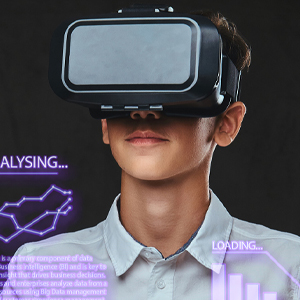
AI in Digital Marketing: The Future Has Arrived Once upon a time, marketing was all about creativity and gut instinct. Now? It’s powered by algorithms, automation, and AI-driven insights. Artificial Intelligence has become the secret weapon behind brand growth — from smarter ads to personalized shopping journeys. Let’s explore the 5 biggest lessons AI is teaching digital marketers in 2025. Lesson 1 or 2 Lesson 1: Data Is Your & Superpower AI turns audience data into powerful insights. It knows what your customer wants before they do. Every click, scroll, and purchase tells a story. Use AI tools to decode that story and act smarter. Data-driven decisions always outperform guesswork. Let the numbers lead your next big move. Lesson 2: Automation Saves Time — and Sanity AI handles repetitive work so you can focus on strategy. It runs your ads, emails, and reports 24/7. No breaks, no burnout, just better performance. Tools like Meta Advantage+ and Zapier do the heavy lifting. You gain time for creativity and innovation. Work smarter, not longer. Lesson 3 or 4 Lesson 3: AI Can Create — But You Inspire AI writes captions, blogs, and designs visuals in seconds. But it’s your creativity that gives content emotion. Use AI for speed, humans for soul. The combo wins — fast output with deep impact. Train AI to match your tone and goals. Creativity + AI = unstoppable marketing. Lesson 4: Personalization Builds Loyalty AI personalizes every customer journey. From ads to website experiences — all tailor-made. People love when brands “get” them. Use AI ethically to create that connection. Predict what they’ll need next, not just what they bought. Personalization turns customers into fans. Lesson 5: Keep the Human Touch Alive AI can’t feel — only you can connect emotionally. Don’t let automation replace empathy. People follow people, not robots. Use AI for insights, keep your voice authentic. The best brands mix tech with heart. Human-led, AI-powered — that’s the 2025 formula. SO WHAT’S THE VIBE CHECK? At Hypmmedia, our vibe check is simple: Tech should never steal the human touch. AI brings speed, precision, and data — but it’s emotion that converts. Our campaigns pass through the AI + Authenticity filter — meaning they perform and they connect. From influencer collaborations to smart content strategies, we use AI to amplify creativity, not replace it. In 2025, the real marketing power lies in balance — brains of AI, heart of humans. That’s the Hypmmedia vibe: futuristic, yet deeply human.
Short-Form Video, Social Commerce & Immersive Content
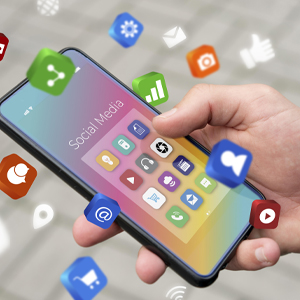
Short-Form Video, Social Commerce & Immersive Content Why These Trends Matter In recent years, digital marketing has shifted dramatically — short-form video, social shopping, and immersive content aren’t just “nice to have” anymore. They’re rapidly becoming core to how brands engage, convert, and retain audiences. Here’s why: Changing Attention Spans: People are consuming content faster and on mobile. Short-form videos (under 60–90 seconds) are perfectly suited for this. Engagement Power: Short videos often get 2.5× more engagement than long-form content. Monetization via Social Platforms: Platforms like TikTok, Instagram, and others now support shoppable videos — making it easy for viewers to buy directly from the content. Immersive & Interactive Experiences: Technologies like AR, VR, and interactive video formats make the content deeper, more memorable, and more likely to drive conversion. Trust and Authenticity: User-Generated Content (UGC) in short-form video is increasingly powerful — more authentic, less polished, and more relatable. Key Trends & Insights 1. Short-Form Video Is Taking Over According to Hoop Interactive, short-form video is dramatically outperforming static content, driving up to 72% higher engagement. Platforms like TikTok, Instagram Reels, and YouTube Shorts are the main battlegrounds. In 2025, short-form video ad spending is projected to skyrocket, driven by its high ROI. According to Informatech Target, videos under 60 seconds are the sweet spot; engagement drops sharply for longer ones. AI is playing a big role: marketers are using AI for script ideation, automatic editing, voice-overs, and more. 2. Social Commerce: Turning Viewers into Buyers Short-form videos + commerce = shoppable video content. Brands can integrate product links, live-shop sessions, and interactive purchasing features directly inside videos. Beacon Insider reports that shoppable videos on platforms like TikTok and Instagram can boost conversion intent by 9x. In India, many brands are increasing their short-form video budgets specifically for live commerce — combining entertainment + buying. This trend reduces friction: viewers don’t just see a product, they can buy it within the app — shortening the path from discovery to purchase. 3. Immersive Content: Making the Experience Stick Immersive content goes beyond just watching: it’s about interacting (polls, AR filters, quizzes) and experiencing. This deepens engagement. AR/VR: Brands are now enabling virtual try-ons, 3D product views, and other immersive ways to engage customers. On the technical side, research is advancing: for example, generative models are being used to outpaint video frames, increasing video memorability. Recommender systems for short videos are also getting smarter. Recently, studies have used multimodal embeddings (vision + text) to improve video recommendation and engagement. How Brands Can Leverage These Trends 1. Create Snackable Content Focus on 15–60 second videos for social platforms. Use strong hooks in the first few seconds to capture attention. Leverage trending sounds, challenges, and formats that resonate with your audience. 2. Integrate Shoppable Features Use platform-native commerce tools (TikTok Shop, Instagram Shopping) to tag products in your videos. Run live shopping events: combine product demos + Q&A + limited-time offers. Encourage user-generated content: customers showing/using your product in their own short videos. 3. Build Immersive Experiences Use AR filters to offer virtual try-ons or interactive product demos. Incorporate interactive elements (polls, quizzes) in your videos to increase engagement and dwell time. Experiment with storytelling in short-form: create mini-series, episodic content, or “micro-dramas” that keep people coming back. 4. Use AI for Efficiency Use AI tools for ideation (script + storyboard), editing, captioning, and voiceovers — to scale content production. Analyze content performance with AI to figure out which type of short-form video works best for conversion vs. brand awareness. 5. Measure Smart Track engagement metrics (views, completion rate, shares), but also commerce metrics (click-throughs, purchases from videos). For immersive content, measure time spent, interaction rate (polls/AR engagement), and any lift in conversion. Use A/B testing: try different video styles, lengths, and CTAs and double down on what works. How Brands Can Leverage These Trends Challenges & Risks Content Saturation: With so many brands using short video, standing out demands more creativity. Production Balance: High-quality doesn’t always mean high-budget. Finding the sweet spot between production value and authenticity is key. Privacy & Data: As you integrate commerce and interactivity, you need to handle user data responsibly. Audience Fatigue: Too much “buy from me” content can turn audiences off. Balance promotional content with value-driven storytelling. Real-World Examples TikTok/Instagram Shoppable Videos: Many brands now use short-form product demos + direct links to their products. Livestream Commerce: Influencers or brand-hosted live sessions where viewers can ask questions, see a demo, and buy in real time. AR Filters for Try-On: Fashion/beauty brands creating AR filters so users can try products virtually before buying. Conclusion Short-form video, social commerce, and immersive content are not just buzzwords — they represent a fundamental shift in how people consume, engage, and buy online. For brands, this means rethinking content strategy: not just what you create, but how you enable users to interact and transact. By investing in snackable videos, integrating commerce seamlessly, and creating immersive experiences, brands can stay ahead in a rapidly evolving digital landscape.