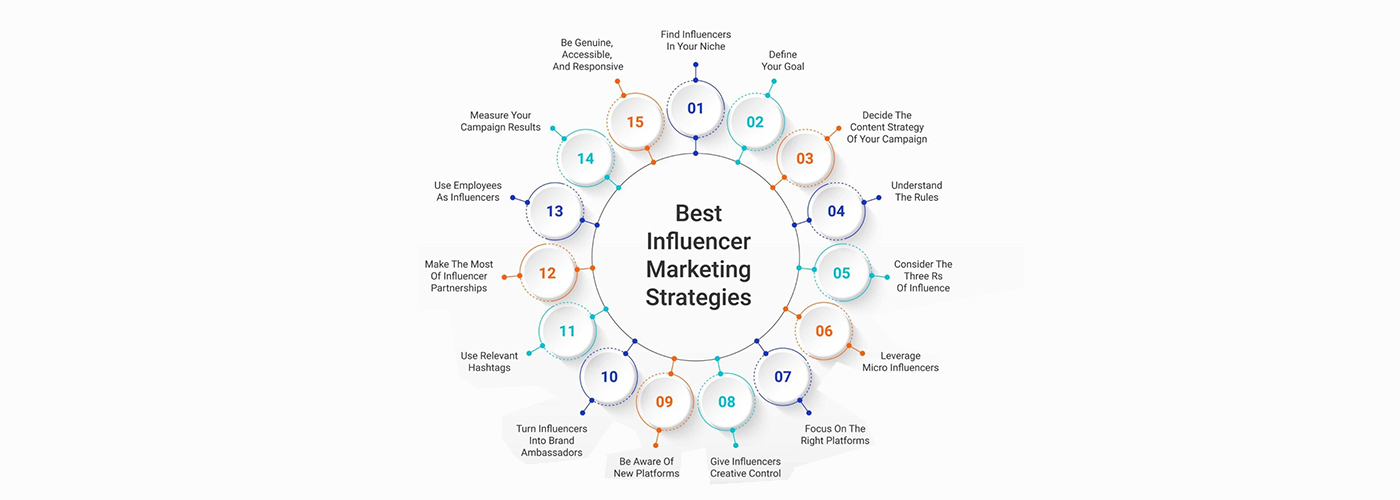
Influencer Marketing & Community-Led & Strategies: The Next Gen of Brand Engagement
Consumers are increasingly drawn to authenticity, not glossy endorsements. According to IZEA’s 2025 report, 77% of people prefer content created by influencers over traditionally scripted ads. Meanwhile, Sprout Social’s research found that 81% of social marketers believe influencer partnerships are essential to their social strategy—especially because of their role in building trust and engaging audiences.

As brands navigate this shift, micro- and nano-influencers are emerging as powerful partners. These creators may not have the largest follower counts, but they command highly engaged, niche communities. More importantly, these collaborations often go beyond transactional exchanges.
From long-term ambassador programs to community-driven content, the best strategies today are rooted in storytelling, shared values, and two-way conversations.
In short, the influencer-community ecosystem is evolving. Brands that invest in authentic engagement, co-create with creators, and prioritize purpose over promotion are not just amplifying their message—they’re building a thriving, loyal community. This next generation of brand engagement is about creating belonging, not broadcasting.
5 Lessons for Brands
1. Prioritize Long-Term, Authentic Relationships
- Brands are increasingly shifting away from one-off influencer campaigns and building sustained collaborations.
- Long-term influencer partnerships help create consistent storytelling and deepen trust with both the influencer’s audience and the brand’s customers.
- These ongoing relationships foster more authenticity, because the influencer can integrate the brand into their normal content rhythm, rather than a forced “ad drop.”
2. Leverage Micro- & Nano-Influencers to Build Real Community
- Micro (10K–100K followers) and nano-influencers (<10K) are gaining ground because of their highly engaged, niche audiences and greater authenticity.
- Working with many smaller creators rather than a few big names helps brands tap into sub-communities — which means more genuine conversations and advocacy.
- These influencers often provide better ROI per dollar and more meaningful engagement than mega-influencers.
3. Use Creators as Community Builders, Not Just Content Creators
- Influencers are not just amplifiers — they can act as community leaders. Brands should engage them in ways that build or strengthen a tribe.
- Encouraging creators to run live events, Q&As, or “take over” brand channels can nurture two-way interaction and foster belonging.
- Co-creation — allowing influencers to contribute ideas, content formats, or even product features — helps the community feel invested.
4. Align Influencer Strategy with Values and Purpose
- Brands should partner with creators who share their values. This alignment ensures that the message doesn’t just sound “paid,” but genuine.
- Cause-driven influencer campaigns (sustainability, ethics, social issues) create deeper resonance and loyalty.
- When influencers are true advocates (not just paid voices), their communities can amplify purpose-driven storytelling, which builds long-term brand affinity.
5. Leverage Data and Technology for Smarter Creator Selection & ROI
- Use AI and data-driven platforms to discover creators based on content sentiment, audience match, and past performance — not just follower count.
- Track more meaningful KPIs: community growth, engagement quality, conversion via influencer-led storefronts or affiliate links.
- Be open to performance-based collaborations: pay influencers based on sales or engagement, not just upfront fees. This ensures better alignment of incentives.
Conclusion
Influencer marketing is evolving — it’s no longer about reach, but about relationship. The most effective strategies in 2025 will be those where brands view influencers as partners in community building, not just content machines. By focusing on long-term collaborations, leveraging micro- and nano-influencers, aligning on purpose, and using data smartly, brands can build authentic, high-impact creator-driven ecosystems.This approach doesn’t just drive short-term campaigns, but builds lasting loyalty, trust, and meaningful engagement.
