Conversational Commerce in India: The Chat‑Based Commerce Revolution
Conversational Commerce in India: The Chat‑Based Commerce Revolution Conversational commerce — the merging of messaging apps and commerce — is not just a futuristic concept for India; it’s rapidly becoming a core way for businesses to engage, sell, and support customers. With over 487 million WhatsApp users in India and deep trust in chat-based communication, brands are realizing that customers prefer to shop and converse in the same app they use daily. The rise of generative AI and advanced chatbots has supercharged this trend. According to Meta and Bain’s Win With Conversations report, more than 70% of surveyed large enterprises already engage at least half of their customer base via conversational platforms. GenAI-powered assistants can now handle personalized sales journeys, catalog browsing, booking, and more — all within WhatsApp or other messaging apps. In a country as diverse and mobile-first as India, conversational commerce promises not only efficiency but relational commerce — where businesses interact with customers in real time, build trust, and transact seamlessly. In this blog, we’ll walk through key trends, why it’s working in India, how to use it effectively, and what challenges to watch out for. Key Trends Driving Conversational Commerce in India 1. GenAI + Messaging Power Combo Generative AI is transforming how businesses run conversational commerce in India. According to Meta-Bain research, generative AI will be central to scaling personalized, real-time conversational journeys — driving sales, customer support, and engagement. With GenAI, businesses can automate responses, translate between languages, and even guide customers through catalogs within chat. 2. WhatsApp as the Primary Commerce Messaging Channel WhatsApp is at the heart of India’s conversational commerce surge. With deep penetration and trust, it’s become more than just a chat app — businesses use it as a storefront. Quantique Minds reports that some SMEs using WhatsApp Commerce see 45–60% conversion rates, significantly higher than traditional e-commerce sites. 3. RCS (Rich Communication Services) Growing Beyond WhatsApp, RCS messaging is emerging in India as a powerful alternative. With features like in-message payments, rich media, and interactive buttons, RCS enables even more seamless conversational commerce. 4. Increased Business Investment According to multiple sources, 60% of large enterprises in India are planning to increase spend on conversational commerce over the next few years. This investment is not just for customer service — it’s for full transactional journeys. 5. Untapped Consumer Base A major insight: only ~200 million of India’s 650 million social / messaging users currently shop online, according to Meta-Bain. Conversational commerce stands to bring the next 450 million shoppers into the digital economy by making commerce more accessible and familiar. Why Conversational Commerce Works Exceptionally Well in India Trust & Familiarity: Indians already use WhatsApp to communicate with friends and family. Extending this to commerce eliminates friction and builds on existing trust. Accessibility for SMBs: Small and medium businesses (SMBs) find conversational commerce low-cost, scalable, and effective. They don’t need a complicated e-commerce platform; just a WhatsApp Business setup can work. Personalization at Scale: With GenAI, conversations can be tailored to each user’s language, history, and preferences. High-Frequency Interactions: For repetitive actions (groceries, bill payments, service requests),chat-based journeys are more intuitive than going to a website or app. Language & Inclusivity: Chat interfaces support regional languages and informal typing styles — helping reach users across India’s linguistic diversity. How Indian Brands Can Leverage Conversational Commerce 1. Set Up a WhatsApp Business Storefront Use the WhatsApp Business API or App to list products, send catalog links, and take orders. Automate routine interactions using chatbots (e.g., product queries, order tracking). 2. Deploy AI‑Powered Chat Assistants Use GenAI agents to handle customer chat intelligently: answering questions, suggesting products, guiding purchases. Translate on the fly: support regional languages to serve a wider audience. 3. Use Rich Messaging with RCS Explore RCS for sending interactive messages (buttons, carousels) that let users browse and buy directly within chat. Integrate payments within RCS messages so users don’t need to leave the chat interface. 4. Build Conversational Funnels Design chat flows for discovery → customer education → purchase → post-purchase — all within messaging. Use segmented messaging: send catalogs, offers, and reminders based on user preferences and history. 5. Measure & Optimize Track metrics like message open rate, conversion rate via chat, average order value, and retention. A/B test different chat flows, bot scripts, and personalized greetings to see what converts best. 6. Leverage Generative AI Thoughtfully Use AI for scalability, but always monitor for accuracy and tone. Balance automation with human support for complex or sensitive conversations (returns, complaints). Challenges Risks to Be Aware Of Privacy & Data Security: Messaging platforms carry sensitive customer data. Brands must ensure secure handling, encryption, and consent. Over-Automation: Relying too much on bots can feel impersonal or robotic. It’s crucial to maintain a “human feel.” Scalability Issues: As chat volumes grow, managing and scaling customer messages (especially with rich media) can be operationally challenging. User Education: Not all consumers are comfortable placing orders via chat; brands may need to guide them with tutorials or prompts. Cost of AI Agents: While scalable, using GenAI agents has a cost; brands must evaluate ROI carefully. Future Outlook Conversational AI + Voice: As GenAI matures, voice-based chat commerce (via voice assistants) will grow, making conversational commerce even more natural. Wider RCS Adoption: With telecom players pushing RCS, chat commerce may shift from WhatsApp to other integrated messaging platforms with richer capabilities. Localization at Scale: Brands will increasingly use chat to serve users in many regional languages, turning conversational interfaces into truly inclusive storefronts. Conversational CRM: Messaging tools will become central to customer relationship management — not just for sales, but for loyalty, feedback, and support. Conclusion Conversational commerce in India is not a niche experiment— it’s becoming the next frontier of commerce. As GenAI, messaging apps, and trust converge, businesses have a powerful opportunity: to sell, support, and engage customers inside the apps they already use. For SMBs, enterprise firms, and D2C brands alike, adopting conversational commerce means meeting customers where they are
Micro‑Influencer Marketing in Regional India

Micro‑Influencer Marketing in Regional India In India’s booming creator economy, a powerful shift is underway: micro‑influencers — especially those based in Tier 2 and Tier 3 cities, speaking regional languages — are becoming the new engine of influencer marketing. According to the 2025 Kofluence report, over half of marketers now see micro-influencers (10,000–100,000 followers) as optimal for hyperlocal campaigns. This trend is being fueled by several factors: the rapid digital adoption in smaller Indian cities, deep cultural and linguistic diversity, and consumers’ growing preference for authenticity over celebrity glamour. Brands are waking up to the fact that creators rooted in regional identities can drive more meaningful engagement, trust, and conversion than traditional macro influencers. As connection becomes more important than reach, marketers are rethinking their influencer strategies. Micro‑influencers in regional India are not just content creators — they’re community leaders, storytellers, and bridges between brands and deeply localized audiences. In this blog, we explore the lessons brands can draw from this trend, and how to embed micro‑influencer marketing into a regional growth strategy. 5 Lessons from Micro-Influencer Marketing in Regional India First-party data refers to information a business collects directly from its own audience — via its website, app, email interactions, purchase history, surveys, and more. This kind of data is inherently valuable because: It’s accurate and directly tied to your real users. It’s privacy-friendly, since it’s collected with user consent and under your brand’scontrol. It reduces reliance on third-party sources, meaning lower costs and higher ROI As the digital landscape shifts — with tighter regulations and the deprecation of cookies — first-party data is becoming the bedrock of marketing that’s both effective and ethical. What Does Hyper-Personalisation Look Like? 1. Hyperlocal Authenticity Trumps Follower Count Micro‑influencers from non-metro cities bring a level of cultural resonance that mass influencers often lack. Their connection with local traditions, language, and community life makes their content relatable and trustworthy. According to Kofluence, a large portion of brands’ influencer budgets is now being allocated to these creators precisely because of this local authenticity. 2. Better Engagement and ROI with Micro Creators Micro-influencers often deliver higher engagement rates than macro celebrities. They have smaller but more devoted audiences. According to LetsInfluence, micro‑influencers in India deliver significantly better ROI because their audience trusts them deeply, and their content is more niche and natural. In fact, 52% of marketers told Kofluence that micro-influencers are their go-to for regional campaigns. 3. Long-Term Relationships Are Winning Instead of one-off brand shoutouts, many companies are now forming sustained partnerships with micro‑influencers. This not only builds continuity but also helps the creators become true brand ambassadors in their local communities. As the LetsInfluence report highlights, long-term and value-aligned collaborations are becoming a norm. 4. Regional Language Content is Key With India’s linguistic diversity, content in local languages is no longer niche — it’s essential. According to TopInfluencersIndia, creators from Tier 2 and Tier 3 cities, producing content in Hindi, Tamil, Marathi, and other languages, are at the forefront of influencer marketing’s next wave. These creators resonate more because they speak the audience’s language — literally — making campaigns feel personal and relevant. 5. Data-Driven & Cost‑Effective Campaigns Thanks to ad‑tech and influencer platforms, brands can now discover and manage micro‑influencers more efficiently. The Kofluence report indicates that many companies are directing their spend to micro‑influencers because of their better ROI, but they are also using technology (including AI) for discovery and measurement. Plus, micro-influencer rates are often more affordable: Kofluence mentions campaigns often cost from ₹2.5K to ₹80K depending on category and scale. Why This Strategy Is Especially Powerful in Regional India Digital Penetration Beyond Metros India’s internet is expanding rapidly into smaller towns. Micro‑influencers in these regions become the natural voice for brands trying to reach Tier 2 and Tier 3 audiences. Trust Over Reach These creators don’t only provide reach, but trust — often embedded in their local communities. People in these regions value creators who “get them.” Cost Efficiency Working with micro‑influencers in regional markets can cost less per engagement than more famous influencers, making it ideal for brands scaling on tighter budgets. Localized Storytelling Regional creators tell stories rooted in their environment — festivals, language, food, local culture — which helps brands create deeper emotional connections. Scalable Impact Brands can deploy many micro‑influencer partnerships across different regions, building a patchwork of influence rather than relying on a few big names. Challenges to Watch Out For Discovery & Vetting: Finding genuine micro‑influencers in regional markets is still difficult. Not all discovery platforms cover smaller creators well. Quality Control: Ensuring the content quality, authenticity, and alignment with brand values requires thoughtful vetting and guidance. Measurement: Tracking the ROI from many small influencers can be complex — brands need tools and metrics beyond vanity metrics (likes, follower counts). Saturation Risk: As more brands move into micro-influencer space, overuse may dilute authenticity or increase costs. Long-Term Investment: Building meaningful relationships takes time; expecting immediate sales from every micro‑influencer collaboration may be unrealistic. Conclusion Micro‑influencer marketing in regional India is not just a trend — it’s a transformative strategy. As digital penetration deepens across smaller cities and cultural diversity thrives, brands that harness the power of local creators are gaining more than visibility — they’re winning trust, engagement, and loyalty. By investing in micro‑influencers who are culturally rooted, speaking local languages, and deeply connected with their audiences, brands can unlock growth that is authentic and sustainable. This isn’t about chasing vanity metrics; it’s about building meaningful,long-lasting connections in the places that matter most. For marketers in 2025 and beyond, the message is clear: don’t just partner with creators — partner with the communities they lead. In regional India, that can be the key to scaling smarter, not just bigger.
Sustainable & Purpose‑Driven Local Marketing

Sustainable & Purpose‑Driven Local Marketing In today’s market, Indian consumers are increasingly conscious about the environment, community, and ethical business practices. This shift means that purpose-driven marketing — not just selling a product, but aligning with deeper values — is more than a trend. It’s a business imperative. Local brands that authentically integrate sustainability into their identity are winning trust, engaging communities, and differentiating themselves in saturated markets. Purpose-driven marketing rooted in sustainability isn’t just good ethics — it can be a strong growth lever. Key Trends & Drivers 1. Consumers Want Values Many Indian customers now favor brands that reflect their values — sustainability, fair labor, ecological responsibility. 2. Sustainable Innovation Indian brands are rethinking product design: recycled materials, biodegradable packaging, and regenerative sourcing are becoming more common. 3. Local + Purpose = Stronger Connection For brands deeply rooted in local communities (e.g. artisan weave brands, rural products), sustainability can double as a way to preserve cultural heritage and empower local makers. 4. Digital Storytelling for Impact Brands are using digital platforms to tell their sustainability journey: blogs, social media, video, and newsletters — turning CSR into a core brand story. 5. Purpose over Greenwashing Consumers are skeptical. They can spot “purpose washing” — brands must back up claims with real action (supply chain, sourcing, community) to maintain credibility. Indian Brand Examples Leading the Way Oshadi Collective: A slow-fashion brand that uses regenerative cotton farming and artisan weavers. They grow their fabric on a 250-acre farm and run on 100% renewable energy. ITC (Paperkraft): They offer notebooks made from 100% recycled paper and promote their environmental efforts through purpose-led messaging. The Whole Truth Foods: Built on radical honesty and transparency about ingredients and health impact — showing that purpose isn’t just marketing. Blue Tokai Coffee: Tells the story of Indian coffee farmers, their journey, and sustainable farming practices — connecting product to people. How Brands Can Do Sustainable Local Marketing Effectively 1. Define Real Purpose Identify a sustainability mission that aligns with your brand’s vision. Don’t pick “green” just because it’s trending — find something where you can actually make impact. 2. Be Transparent and Honest Share data: how much water you save, carbon you offset, or waste you reduce. Tell your story: use blogs, video, social media — show real people behind your sustainability work. 3. Engage Local Communities Work with local artisans, farmers, or small-scale producers. Partner on regenerative or circular economy models (e.g., upcycling, composting, waste collection). Use regional campaigns to highlight your social impact in specific geographies. 4. Use Purpose-Driven Content Marketing Create content about your sustainability journey, not just product. Run awareness campaigns on environmental issues that matter to your local customers. Use storytelling formats: mini-documentaries, “day in the life” of artisans, farmer stories. 5. Leverage Partnerships Collaborate with NGOs, sustainability initiatives, or local government programs. Use co-branded campaigns for environmental impact (tree plantation, waste cleanup). Use credible third-party certifications (organic, fair-trade) to build trust. 6. Measure Impact, Not Just Sales Define KPIs like “tonnes of CO₂ saved,” “waste reduced,” or “number of community artisans supported.” Report progress transparently — annual or quarterly sustainability reports build trust. Use customer feedback on purpose initiatives to refine and scale. Challenges & Risks to Be Aware Of Greenwashing: The biggest risk is when purpose is superficial — if your practices don’t reflect your message, consumers will call you out. Cost & Margins: Sustainable materials or processes can be costlier; balancing sustainability with profitability is a real challenge. Scaling Local Impact: What works in one region (artisan community, sourcing) may not scale easily to others. Consumer Education: Many consumers still don’t fully understand eco-claims — brands need to educate, not just market. Regulation: Sustainability claims may be subject to regulation; brands need to ensure legal compliance in marketing. Why Sustainable & Purpose ‑Driven Marketing Matters Especially at the Local Level Builds deep trust: When local communities see that a brand cares about their environment, heritage, and lives, loyalty strengthens. Drives long-term brand equity: Sustainability isn’t a campaign — it’s an investment that pays off as consumer values evolve. Aligns with regional development: Purposeful brands can contribute to regional growth, skill-building, and ecological balance. Helps future-proof: As regulation around ESG (Environmental, Social, Governance) tightens, purpose-driven practices become essential, not optional. Conclusion Sustainable and purpose-driven marketing in India isn’t just a feel-good strategy — it’s a powerful business differentiator. By integrating real environmental practices, telling authentic stories, and building local community partnerships, brands can not only drive growth but also contribute meaningfully to India’s sustainable future. As customers become more value-driven, the brands that win will be those whose purpose goes deeper than their ads.
Case Studies of Indian Brands Winning with Local Digital Marketing

Case Studies of Indian Brands Winning with Local Digital Marketing In India’s highly diverse and fragmented market, brands that localize their digital marketing — using regional languages, culturally relevant storytelling, and community-first strategies — are reaping big rewards.Below are several case studies of Indian brands that have done this well, followed by key lessons. Case Studies 1. Meesho — Localizing for Tier‑2 / Tier‑3 India Strategy: Meesho’s digital marketing strategy is deeply rooted in India’s non-metro markets. Their “Arrey Waah!” campaign (2022) targeted users in Tier-2 and Tier-3 cities, especially women. They created ad films in multiple Indian languages — Bengali, Hindi, Tamil, Telugu, Kannada, Malayalam, Oriya, etc. They also leveraged social media + content marketing to build awareness among local resellers. Results & Impact: The campaign helped Meesho connect deeply with regional audiences, build trust, and grow both its consumer base and seller network in non-metro cities. Lesson: Speaking directly to local audiences in their own languages pays off — especially when you target underserved regions. 2. Tata Tea Premium — Hyper‑Local Brand Messaging Challenge: As a premium tea brand, Tata Tea Premium competed with low-cost regional tea vendors. They needed to maintain a national premium image while resonating with local sensibilities. Strategy: Rather than a one-size-fits-all national campaign, they designed state-specific marketing mixes, tailoring messages for each region. They used local insights to build relevance — adapting visuals, content, and media strategy to match the cultural context of different states. Results: Their localized approach helped them defend market share and maintain their premium positioning even in the face of regional competition. Lesson: Customizing your marketing mix region by region can help you balance national-level branding with local relatability. 3. ITC Ltd. — “Vocally Local” with #ProudlyIndian Campaign: ITC’s #ProudlyIndian campaign celebrated its Indian heritage by highlighting brands under its umbrella and emphasizing “Make in India” values. Tactic: They used social media heavily, combining rich storytelling with digital advertising to project a sense of national pride. They also used real-time engagement through conversation on social platforms, reinforcing the “local but global quality” message. Impact: This strengthened their brand voice among consumers who value locally made products, helping ITC’s subsidiaries connect emotionally with their Indian audience. Lesson: Leveraging national identity (while keeping it local) can build trust and alignment with consumer values, especially when “local” is part of your business DNA. 4. Amul — Topical & Culturally Relevant Digital Engagement Strategy: Amul is well-known for its iconic topical marketing (funny, current, and culturally relevant)— and it extends seamlessly to its digital presence. They consistently publish social content that references current events, pop culture, and regional trends. Results: This keeps their digital audience highly engaged while reinforcing their brand recall and emotional connection with consumers. Lesson: Using real-time, culturally resonant content helps maintain relevance across different audiences. Local humor, regional references, and timely commentary can be very powerful. 5. Truecaller — Investing in Vernacular Content Strategy: Truecaller, which has a big user base in India, committed a significant portion of their marketing budget to vernacular content creation. They produced a mini-series (“Lolai Family with Nakkalites”) in Tamil, leveraging regional creators to build engagement in local markets. They also work with creators and influencers across many Indian languages and platforms to maximize reach. Impact: Their localized content strategy allowed them to resonate deeply with non-English-speaking users, improving brand affinity in regional markets. Lesson: Creating localized narrative content (e.g., regional-language mini-series) builds authenticity and connection, especially in non-metro markets. 6. Paper Boat — Nostalgia + Storytelling for Regional Appeal Brand Story: Paper Boat (beverage brand) leans heavily into nostalgia and emotional storytelling. They produce short films, story-driven content, and digital campaigns that resonate emotionally with consumers — often tied to childhood memories. Their content often appeals in a culturally universal yet deeply Indian way, making it relatable across regions. Impact: This approach helps Paper Boat stand out in a crowded beverage market by building emotional resonance rather than just selling a drink. Lesson: Emotional storytelling that taps into cultural memory can create a powerful bond with consumers — no matter which part of India they come from. Key Takeaways & Lessons from These Case Studies Localization Isn’t Just Translation: These brands go beyond mere translation — they tailor their strategy, creative content, and media mix to regional cultures. Diverse Content Strategy: From mini-series in local languages to real-time social commentary, a varied content mix helps reach different audience segments. Cultural Relevance Builds Trust: Brands that align with regional values or national identity create deeper emotional connections. Audience Segmentation Matters: Targeting Tier-2 / Tier-3 cities (e.g., Meesho) or language-based segments (e.g., Truecaller) can unlock growth in underserved markets. Scalable Local Strategy: These are not small local campaigns — many are national brands executing localized campaigns at scale. Conclusion Indian brands that are winning in digital marketing today aren’t just going “digital” — they’re going local. By combining smart segmentation, culturally resonant storytelling, vernacular content, and real-time relevance, these companies are building meaningful relationships with diverse audiences across India. For any brand looking to scale in India, these case studies highlight an important strategy: don’t just talk to India — talk to each part of India. Localization in digital marketing is no longer a nice-to-have; it’s a powerful lever for growth, engagement, and long-term brand loyalty.
Voice + Visual Search Trends in India: A Deep Dive

Voice + Visual Search Trends in India: A Deep Dive Why Voice & Visual Search Are Growing in India 1.Rapid Growth of Voice Search Voice search in India has seen explosive adoption. According to a GroupM report, voice searches grew ~270% in the country. With millions of new internet users in Tier‑2 and Tier‑3 cities, voice makes search more accessible — speaking comes more naturally than typing for many. The rise of conversational AI and longer, question-style queries means brands need to rethink SEO: it’s less about short keywords, more about natural, spoken phrases. 2. Multilingual & Regional Voice Search A major driver is India’s linguistic diversity: voice assistants now support many regional languages, making voice search usable for a much broader population. This shift is making voice-first strategies especially important for local and regional businesses. 3. AI‑Driven, Multimodal Search with “Search Live” Google is launching its AI Mode in India, offering multimodal search: users can now use voice + camera inputs. The “Search Live” feature enables conversational interactions with both voice and visual inputs — letting users speak a query or show an image to get results. This makes search more natural, interactive, and aligned with real-life behavior (pointing at things, asking questions). 4. Visual Search is Taking Off Visual search tools like Google Lens are gaining traction — users can take a photo of an object and look for similar items online. For e-commerce brands, this is a big opportunity: shoppers can instantly identify and buy products they see in real life. Optimizing product images (with good resolution, metadata, alt-text) is becoming more important, because visual search engines rely on quality visuals + structured data. What These Trends Mean for Brands & Marketers SEO Strategy Must Evolve Voice SEO requires a different approach than traditional SEO. Brands should optimize for question-based keywords, conversational phrases, and long-tail intents. Local & Regional Optimization Because many voice searches happen in regional languages, businesses should localize content — not just translate.Voice-optimized FAQ pages, dialogue‑style content, and regional keyword research are powerful tools. Leverage Structured Data & Schema Using schema markup (FAQ, Q&A) helps search engines understand content and present it in voice results (e.g., as spoken answers). Visual Assets Matter More Than Ever Brands need high‑quality photos, well-tagged product images, and consistent visual content to show up in visual search results. Create Multimodal Experiences Integrate voice + visual capabilities: for example, let app users search by speaking or by uploading a picture. Voice Commerce As voice assistants become more capable, there’s a rising possibility of voice-driven shopping: “Add this to cart,” “Order from nearby store,” etc. Optimizing for voice commerce could be a major ROI opportunity. Challenges & Risks Accent & Language Variability India’s linguistic diversity means a wide range of accents and dialects. Voice assistants still struggle to understand mixed-language (Hinglish / Tamlish) or heavily regional queries. Search Intent is Complex Spoken queries are longer and more context-heavy. Brands need to carefully predict and optimize for this intent. Technical SEO Overhead Implementing schema markup,optimizing for voice + visual search, and ensuring site speed + mobile UX requires more technical investment. Privacy & Trust Voice and visual search raise privacy concerns: users may hesitate to speak queries or scan images for purchases. Brands need to build trust. Real-World Use Cases & Examples Media & Entertainment: Voice is increasingly used in Indian media apps. According to industry sources, many rural OTT users prefer voice for browsing content. Local Business Discovery: People use voice to find “near me” services — like stores, doctors, or restaurants — in local languages. AI Search: With Google’s AI Mode, users can ask follow-up questions or submit images to get richer, AI-generated responses. Future Outlook Voice + visual search will become mainstream: As AI improves and connectivity grows, more Indian users will rely on these modes as primary search methods. Conversational UIs: Websites, apps, and chatbots will evolve to support voice-based interfaces and multimodal input. Hyper-local Personalization: Voice search combined with location context will help brands serve more personalized, region-specific recommendations. Voice Commerce Growth: Over time, voice may be used not just for search, but for direct purchases — especially for frequent buys. Conclusion Voice and visual search in India are not just futuristic ideas — they’re already transforming how people find and shop online. For brands, this means rethinking SEO, investing in quality visuals, and optimizing for local, spoken languages. The companies that adapt now will be best positioned to win in a search world where speaking and seeing matter as much as typing.
Social Commerce in India’s Local Markets: A Deep Dive
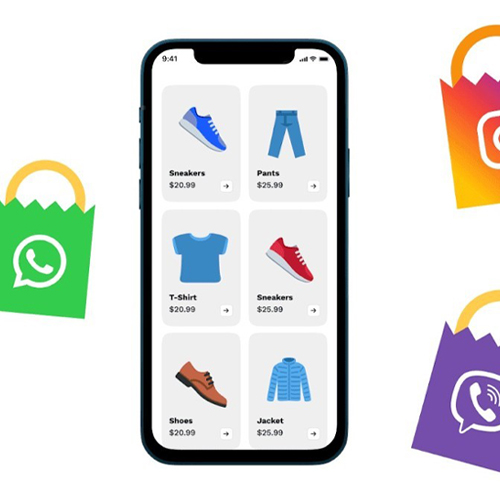
Social Commerce in India’s Local Markets: A Deep Dive Why Social Commerce Is Exploding in India The social commerce market in India is growing rapidly;IMARC estimates it was USD 7.2 billion in 2024, and projects a CAGR of ~22.4% through 2033. According to reports, the market could hit USD 55 billion by 2030. A study commissioned by Meta found that nearly 80% of Indian shoppers discover products via social media, and 60% are likely to buy something after seeing an offer on WhatsApp. Smartphones and affordable data are fueling this trend, especially in Tier‑2 and Tier‑3 cities. Key Drivers & Local Market Dynamics 1. Discovery → Purchase Loop on Social Platforms People no longer just browse social media — they shop there. Platforms like Instagram, Facebook, and WhatsApp are being used not just for inspiration, but for transaction. 2.Trust & Community Matter In local markets (especially smaller towns), social recommendations and peer suggestions have massive impact. Consumers trust what they see from friends, family, or localsellers on social media. 3. Influencer & Creator-Led Commerce Influencers and creators — especially local or regional ones — play a big role in driving purchases. Their content helps in discovery, and they often run live‑selling sessions or attach product links. 4. Localized Payments & Social Chat Buying Payments via UPI or other local methods make buying easier. On WhatsApp, for example, brands or resellers can chat, showcase catalogues, and complete orders — all inside the messaging app. 5. Vernacular & Regional Focus Content in local languages (vernacular content) helps brands connect with consumers in non-metro markets. This localization is a key factor for adoption and trust. Challenges & Risks in Local Social Commerce Authenticity & Counterfeits: Risk of low-quality products or fakes selling via social commerce, especially when trust is high but verification is low. Logistics for Local Sellers: Managing inventory, returns, and delivery can be difficult for sellers operating from smaller towns. Payment Trust: Some local buyers may still hesitate to pay via digital means or social apps; trust needs to be built. Digital Literacy: Not all consumers or small sellers are tech-savvy; enabling them to use social commerce tools requires education and support. Regulation & Consumer Protection: With sales happening on social platforms, there’s a need for clarity around consumer rights, dispute resolution, and data protection. How Brands Can Win in Social Commerce (in Local Markets) 1.Build a Social Storefront Create a catalog on WhatsApp Business, Instagram Shops, or Facebook Shops. Organize products in a way that’s easy for social users to browse and buy. 2.Use Local Influencers / Micro‑Sellers Partner with local creators or micro‑resellers in Tier‑2/3 cities. Run live commerce sessions: demos, Q&A, limited-time offers via WhatsApp or Instagram Live. 3.Leverage Social Trust Use peer-to-peer selling: encourage existing customers to share catalogs with their own social circles. Create community-driven campaigns or referral programs to amplify reach. 4.Optimize for Local Payment Behavior Accept UPI, BNPL, and other popular payment methods in India. Make payment flow as seamless as possible inside the social channel. 5.Focus on After‑Sales Support Provide easy customer support inside WhatsApp or social platforms. Handle returns and inquiries quickly to build trust. 6.Educate & Enable Local Sellers Provide training for small sellers on how to list products, engage customers, and handle logistics. Use simple tools / apps to help them scale their social commerce business. Real-World Examples / Use Cases WhatsApp Commerce: Small sellers use WhatsApp to send product catalogs, take orders, and process payments. Instagram + Facebook Shops: Brands are tagging products in posts & Reels, allowing users to click and buy without leaving the app. Live Commerce: Sellers host live video sessions to showcase products, answer questions, and push limited offers — especially effective for fashion, beauty, and home goods. Reseller Models: Platforms like Meesho and GlowRoad empower individuals to resell products via their social networks, blending peer-to-peer commerce and social engagement. Why Local Social Commerce Is a Strategic Must for Brands Untapped Potential: Many consumers in smaller cities are now online, but are underserved by traditional e-commerce. Lower CAC (Cost of Acquisition): Selling through social reduces dependence on paid ads; word-of-mouth, resellers, and organic reach help. Build Deeper Relationships: Social commerce isn’t just transactional — it’s relational. You can engage buyers, not just sell to them. Scalable & Flexible: Brands can start small (e.g., via WhatsApp) and scale up to more structured social commerce as they grow. Conclusion Social commerce is not just an “add-on” channel in India — it’s quickly becoming a central pillar of how people discover, trust, and buy products, especially in local markets. For brands, the opportunity lies in leveraging social platforms, building real peer-based engagement, and making the checkout process as seamless as chatting with a friend. If you’re building a digital strategy for India in 2025, social commerce — especially at the local level — should be at the heart of it.
Local Market Focus — Especially for India
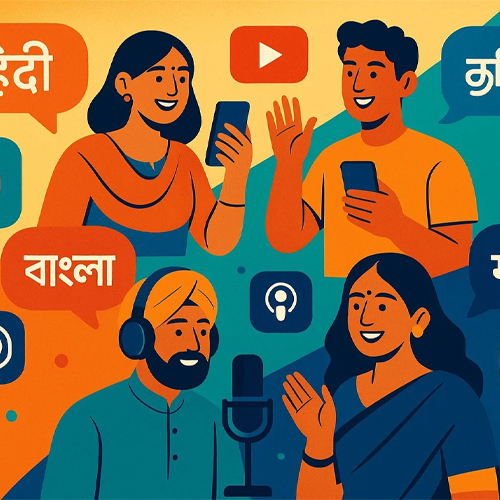
Local Market Focus — Especially for India FIRST LESSON – First, creating content in vernacular languages is no longer optional — it’s essential. With over 73% of Indian internet users preferring regional-language content, brands that speak in Hindi, Tamil, Marathi, Telugu, or other local tongues build stronger emotional connections and trust. Translating English content isn’t enough: true calization involves using cultural nuances, regional idioms, and context‑sensitive storytelling. SECOND LESSON -Second, a hyperlocal and voice‑first strategy can give brands a powerful competitive edge. Voice searches in India are growing rapidly, particularly in local languages, and many users in Tier‑2 and Tier‑3 cities prefer conversational, “near-me” queries. By optimizing for these voice-based and location‑specific searches, brands can increase their visibility where users are most ready to act. THIRD LESSON – Third, regional influencers and content creators from non-metro regions are increasingly valuable. Partnering with micro- and nano‑influencers in smaller cities helps brands tap into tight-knit communities with shared cultural backgrounds — building authenticity and reach in a way national campaigns often cannot. These creators understand their audience’s language, values, and behavior more intimately, making their content resonate more deeply. FORTH LESSON – Fourth, conversational commerce through local platforms is a must. Brands should leverage tools like WhatsApp Business, regional chat apps, and AI chatbots that support local languages to engage users in their preferred channels.With localized conversational experiences, brands can simplify customer journeys from discovery to transaction — particularly in markets where messaging apps are deeply embedded in daily life. FIFTH LESSON – Fifth, respecting privacy and building first‑party data is critical for long-term growth. As third-party data becomes less reliable, using consent-driven data collection (surveys, opt-ins) helps brands gather meaningful customer insights while maintaining trust. Combining this first-party data with regional insights ensures that messaging is not just relevant, but also personally meaningful and ethically grounded. Conclusion Focusing on the local Indian market is not just a smart move — it’s becoming a must-have strategy for brands that want to scale meaningfully. As internet penetration continues to grow beyond metro cities, regional audiences will play a central role in a brand’s growth. By investing in vernacular content, hyperlocal personalization, creator partnerships, and respectful data practices, brands can not only increase reach and conversions — but build deep, authentic connections with audiences across India.
Influencer Marketing & Community-Led Strategies: The Next Gen of Brand Engagement
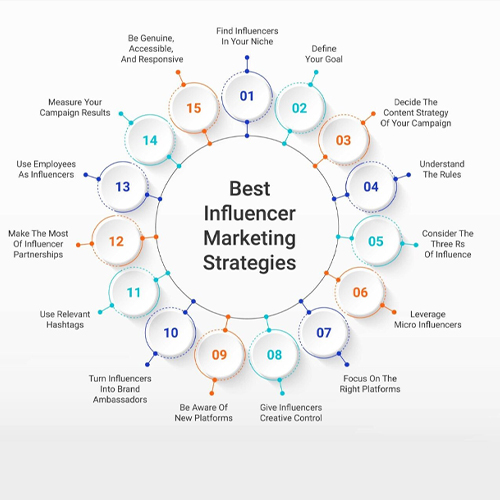
Influencer Marketing & Community-Led & Strategies: The Next Gen of Brand Engagement In the rapidly evolving digital landscape of 2025, influencer marketing is no longer just a tool for brand reach—it’s becoming the heartbeat of genuine community engagement. Far from being a one-off tactic, today’s most effective campaigns are built on deep, ongoing relationships with creators who serve as trusted voices within their own communities. Consumers are increasingly drawn to authenticity, not glossy endorsements. According to IZEA’s 2025 report, 77% of people prefer content created by influencers over traditionally scripted ads. Meanwhile, Sprout Social’s research found that 81% of social marketers believe influencer partnerships are essential to their social strategy—especially because of their role in building trust and engaging audiences. As brands navigate this shift, micro- and nano-influencers are emerging as powerful partners. These creators may not have the largest follower counts, but they command highly engaged, niche communities. More importantly, these collaborations often go beyond transactional exchanges. From long-term ambassador programs to community-driven content, the best strategies today are rooted in storytelling, shared values, and two-way conversations. In short, the influencer-community ecosystem is evolving. Brands that invest in authentic engagement, co-create with creators, and prioritize purpose over promotion are not just amplifying their message—they’re building a thriving, loyal community. This next generation of brand engagement is about creating belonging, not broadcasting. 5 Lessons for Brands 1. Prioritize Long-Term, Authentic Relationships Brands are increasingly shifting away from one-off influencer campaigns and building sustained collaborations. Long-term influencer partnerships help create consistent storytelling and deepen trust with both the influencer’s audience and the brand’s customers. These ongoing relationships foster more authenticity, because the influencer can integrate the brand into their normal content rhythm, rather than a forced “ad drop.” 2. Leverage Micro- & Nano-Influencers to Build Real Community Micro (10K–100K followers) and nano-influencers (<10K) are gaining ground because of their highly engaged, niche audiences and greater authenticity. Working with many smaller creators rather than a few big names helps brands tap into sub-communities — which means more genuine conversations and advocacy. These influencers often provide better ROI per dollar and more meaningful engagement than mega-influencers. 3. Use Creators as Community Builders, Not Just Content Creators Influencers are not just amplifiers — they can act as community leaders. Brands should engage them in ways that build or strengthen a tribe. Encouraging creators to run live events, Q&As, or “take over” brand channels can nurture two-way interaction and foster belonging. Co-creation — allowing influencers to contribute ideas, content formats, or even product features — helps the community feel invested. 4. Align Influencer Strategy with Values and Purpose Brands should partner with creators who share their values. This alignment ensures that the message doesn’t just sound “paid,” but genuine. Cause-driven influencer campaigns (sustainability, ethics, social issues) create deeper resonance and loyalty. When influencers are true advocates (not just paid voices), their communities can amplify purpose-driven storytelling, which builds long-term brand affinity. 5. Leverage Data and Technology for Smarter Creator Selection & ROI Use AI and data-driven platforms to discover creators based on content sentiment, audience match, and past performance — not just follower count. Track more meaningful KPIs: community growth, engagement quality, conversion via influencer-led storefronts or affiliate links. Be open to performance-based collaborations: pay influencers based on sales or engagement, not just upfront fees. This ensures better alignment of incentives. Conclusion Influencer marketing is evolving — it’s no longer about reach, but about relationship. The most effective strategies in 2025 will be those where brands view influencers as partners in community building, not just content machines. By focusing on long-term collaborations, leveraging micro- and nano-influencers, aligning on purpose, and using data smartly, brands can build authentic, high-impact creator-driven ecosystems.This approach doesn’t just drive short-term campaigns, but builds lasting loyalty, trust, and meaningful engagement.
Emerging Technologies: AR/VR, Metaverse & Web3 —A Digital Marketing Deep Dive

Emerging Technologies: AR/VR, Metaverse & Web3 — A Digital Marketing Deep Dive Why These Technologies Matter for Digital Marketing 1. Immersive Engagement Augmented Reality (AR) and Virtual Reality (VR),together with extended reality (XR), let brands create deeply immersive experiences — not just ads, but virtual spaces, interactive storytelling, and product try-ons. 2. New Revenue Streams in the Metaverse Through metaverse platforms, brands can build virtual storefronts, sell digital goods (like NFTs),host events, or create branded worlds. 3. Web3 & Ownership Web3 (blockchain-based) infrastructure enables digital ownership (NFTs), decentralized communities, and tokenized loyalty — giving customers a stronger sense of belonging and value. 4. Better Online-To-Offline (O2O) Integration Technologies like AR help bridge the gap between physical and digital: customers can “place” virtual furniture in a real room, visualize products, and reduce returns. 5. Brand Innovation & Differentiation Early adoption of XR and Web3 helps brands position themselves as futuristic, tech-forward, and able to connect with younger, digital-native audiences. Key Trends & Use Cases Here are some of the biggest ways AR, VR, Metaverse & Web3 are being used in marketing right now : Virtual Events & Experiences: Brands are hosting virtual product launches, concerts, or immersive shows inside the metaverse. Branded Virtual Worlds: Think Nike’s Nikeland on Roblox, where users can play, explore, and engage with brand-specific experiences. AR Try-Ons: Brands like Sephora let users try makeup via AR (face filters), enabling a low-risk digital try-before-you-buy experience. Virtual Showrooms & Product Demos: Car brands and furniture companies use VR showrooms, allowing customers to explore and interact with products in virtual space. NFTs and Digital Fashion: Brands mint NFTs (digital wearables) for avatars, sometimes tied to loyalty programs or exclusive digital items. AR Packaging / Interactive Ads: Using AR-enabled product packaging, customers can scan items via smartphone to unlock interactive content or 3D views. Benefits & Opportunities Higher Engagement: Immersive experiences feel more “real” and memorable, driving stronger emotional connections. Lower Returns: AR try-ons reduce uncertainty,which can lower returns and increase conversion. Loyalty & Community: Web3 allows brands to build tight-knit communities around NFTs or token-based membership. New Revenue Models: Digital goods, virtual real estate, and metaverse commerce are new frontiers for monetization. Brand Prestige: Being an early adopter of XR /metaverse tech signals innovation and forward-thinking. Risks & Challenges (Why Adoption Is Cautious) However, it’s not all easy — there are real risks and barriers: 1. High Cost & Technical Complexity Building XR experiences, virtual worlds, or Web3 platforms can be expensive and resource-intensive. 2. User Adoption & Device Limitations Not all users have VR headsets or high-end devices; many consumers may not yet be ready for fully immersive environments. 3. Security & Privacy Concerns The metaverse and Web3 bring new vulnerabilities: identity theft, data governance, and blockchain-based security risks. 4. Regulation & Governance Web3 and metaverse platforms operate in evolving regulatory spaces. Brands may face legal or compliance uncertainties. 5. ROI Uncertainty Because these technologies are still nascent in mainstream use, measuring return on investment for metaverse and XR campaigns is tricky. How Brands Should Approach Adoption (Smart Strategy) If you’re a brand thinking of using AR/VR, Web3, or metaverse, here’s a cautious but strategic way to do it: 1. Start Small with Pilot Projects Test AR try-ons or simple WebAR (AR in web browser) to validate interest. Run a small virtual event or pop-up in an existing metaverse platform, rather than building a full-world from scratch. 2. Focus on Meaningful Experiences Create experiences tied to your brand’s values or products — not just “virtual for the sake of it.” Use storytelling and interaction. 3. Leverage Web3 Thoughtfully Use NFTs or tokens as part of loyalty or community-building, not just speculative drops. Make sure tokenomics (the utility and value of tokens/NFTs) are well thought out to avoid backlash. 4. Think About Data & Security Use secure blockchain solutions. Implement identity safeguards and privacy practices in virtual worlds. Be transparent with users about data use in metaverse interactions. 5. Measure What Matters Use engagement metrics (time spent,interactions) as well as business metrics (e.g.,NFT sales, conversions, retention). Run A/B tests: virtual vs. non-virtual experiences to compare performance. 6. Plan for Interoperability As different metaverse platforms exist (Decentraland, Spatial, Roblox, etc.), think about how you may make your virtual assets or spaces interoperable. Real-World Examples & Case Studies Nike / Nikeland: Nike has created a branded world in Roblox, allowing users to play, try on virtual sneakers, and buy virtual products. Gucci: Gucci has launched AR lenses (e.g., via Snapchat) and virtual fashion items/NFTs in metaverse spaces. IKEA: Their AR app (IKEA Place) helps users visualize furniture in their real homes using AR. Thomas Cook: Used VR in physical stores for customers to “visit” holiday destinations virtually before booking. Future Outlook & Why to Watch It As XR devices (AR glasses, VR headsets) become more accessible and cheaper, adoption will likely grow. Web3 technologies will mature: with better wallets,more user-friendly NFT experiences, and stronger use-cases for decentralized communities. Interoperability between metaverse platforms might improve, enabling shared brand spaces. Regulation (data, identity, blockchain) will evolve; brands that build responsibly now can benefit long-term. Industrial and “enterprise metaverse” use-cases will also grow (e.g., digital twins, virtual collaboration) — not just consumer marketing. Conclusion Emerging technologies like AR/VR, Metaverse, and Web3 are not just futuristic buzzwords — they represent a real shift in how brands can engage with audiences in immersive, interactive, and ownable ways. But because the space is still evolving, cautious adoption is smart. Brands that pilot thoughtfully, build meaningful experiences, and prioritize security + interoperability are likely to win early.
Purpose-Driven Branding, Trust & Privacy: Why It’s aCornerstone of Modern Marketing
Purpose-Driven Branding Trust & Privacy: Why It’s a Cornerstone of Modern Marketing Why Purpose and Trust Matter (More Than Ever) 1. Values Over Products Consumers now expect brands to stand for something. Purpose-driven marketing isn’t just a CSR checkbox — it’s deeply tied to business strategy. 2. Trust Is the New Currency In an era of data breaches, AI-powered ads, and automation, how a brand handles privacy directly impacts its perceived integrity. 3. Privacy-First Driven by Regulation With the decline of third-party cookies and stricter data-protection laws, brands are shifting to privacy-first strategies — collecting data ethically, transparently, and with user consent. 4. Authenticity Builds Community When brands genuinely align with social causes or ethical values and are transparent about their data practices, they build deeper, longer-lasting relationships. Key Trends in 2025: Purpose + Privacy + Digital Marketing AI + Ethical Use: Brands are using AI not just to personalize but to do so responsibly. Techniques like federated learning and differential privacy are helping marketers personalize while protecting individual data. Impact KPIs: Purpose-led brands are now tracking impact metrics (CO₂ avoided, number of people impacted) — not just sales. Immersive Storytelling: AR, VR, and immersive contentare being used by purpose-driven brands to bring their mission to life in meaningful ways. Zero-Party Data: With third-party cookies going away,brands are leaning on zero-party data (data users voluntarily share) to build trust. Transparency in Supply Chains: Some brands use blockchain or similar tech to make their sustainability and sourcing more traceable. How Brands Can Build Purpose-Driven Trust (Actionable Steps) 1. Define a Clear Purpose Identify why your brand exists beyond profit. Make this purpose part of your brand DNA — everything from product design to marketing should reflect it. 2. Be Transparent About Data Use permission-based marketing: ask, don’t assume. Explain what data you collect, why, and how you’ll use it. Commit to maintaining data security — encryption, secure storage, and clear policies. 3. Use Ethical Personalization Leverage first-party and zero-party data to personalize thoughtfully. Use privacy-preserving AI methods (e.g., differential privacy). Avoid manipulative or creepy targeting — build trust, not just conversions. 4. Embed Purpose in Every Campaign Run campaigns that align with your values (social, environmental, or community causes). Use storytelling formats that highlight impact: beneficiary stories, community work, or employee voices. Measure and report on impact, not just on business metrics. 5. Educate & Engage Your Audience Create content about your privacy practices (why you collect data, how you protect it). Use “privacy ads” or educational campaigns to show you care. Invite feedback — build a feedback loop with customers on both purpose and data practices. 6. Use Emerging Tech for Good Use immersive tech (AR / VR) to let people experience your purpose. Leverage blockchain or transparent supply-chain tools to show real ethical sourcing. The Business Case: Why Hyper-Personalisation Powered by First-Party Data Works 1. Improved Customer Retention Brands in India are using hyper-personalised messaging to boost retention.According to ET Brand Equity, using first-party data to tailor communications at the right time helps companies “nudge” users toward repeat interaction. 2. Higher Engagement and Conversions When users receive content/offers that are genuinely relevant, they engage more — and convert more. Hyper-personalisation helps because it’s based on real user intent, not assumptions. 3. Marketing Efficiency By focusing on users you already know, you cut waste. Your campaigns cost less,because you’re not spraying and praying — you’re targeting with precision. 4. Trust & Compliance Using first-party data responsibly builds trust. In a world where users care about privacy, transparent data collection + usage is a differentiator. 5. Competitive Advantage As many brands are still figuring this out, companies that nail hyper-personalization via first-party data gain a strong strategic edge. ET Brand Equity commentary suggests that real-time, data-led personalization is becoming a key differentiator. Challenges & Risks to Watch Out For Greenwashing or “Purpose Washing”: If your purpose claim isn’t backed by real action, customers will call it out. Privacy Missteps: Promising transparency but then failing to protect data or over-collecting can erode trust. Data Overload: Collecting user data is good, but too much irrelevant data (or using it poorly) can backfire. Tech Complexity: Implementing advanced privacy-preserving AI or blockchain can be hard and expensive. Impact Measurement: Measuring real social or environmental impact is tricky — you need credible KPIs and honest reporting. Real-World Examples & Case Studies Patagonia: Known for its activism and sustainable mission — its “Don’t Buy This Jacket” campaign is a classic example of purpose over profit. Unilever (Dove, Ben & Jerry’s): Their “Sustainable Living” brands reportedly grow much faster than other brands. H&M: Uses blockchain to bring transparency to its supply chain strategy, aligning with its sustainability and ethical goals. AI + Privacy Companies: Using federated learning /differential privacy to build personalization without compromising user data. Why This Should Be Part of Your Digital Strategy in 2025 Differentiation: Purpose-driven brands stand out in a crowded digital landscape. Loyalty & Retention: Trust built via transparency leads to deeper customer loyalty. Long-Term Value: Ethical data practices and purpose-aligned strategies create sustainable brand equity. Regulatory Alignment: Complying with data privacy regulations isn’t just legal — it’s part of building brand trust. Conclusion In 2025, purpose-driven branding + privacy-first marketing isn’t just a trend — it’s a strategic imperative. Brands that balance mission with trust will not only win customers’ hearts but also their loyalty. By defining a real purpose, being transparent about data, and using technology ethically, brands can build meaningful relationships that last.
