Voice + Visual Search Trends in India: A Deep Dive
Why Voice & Visual Search Are Growing in India
1.Rapid Growth of Voice Search
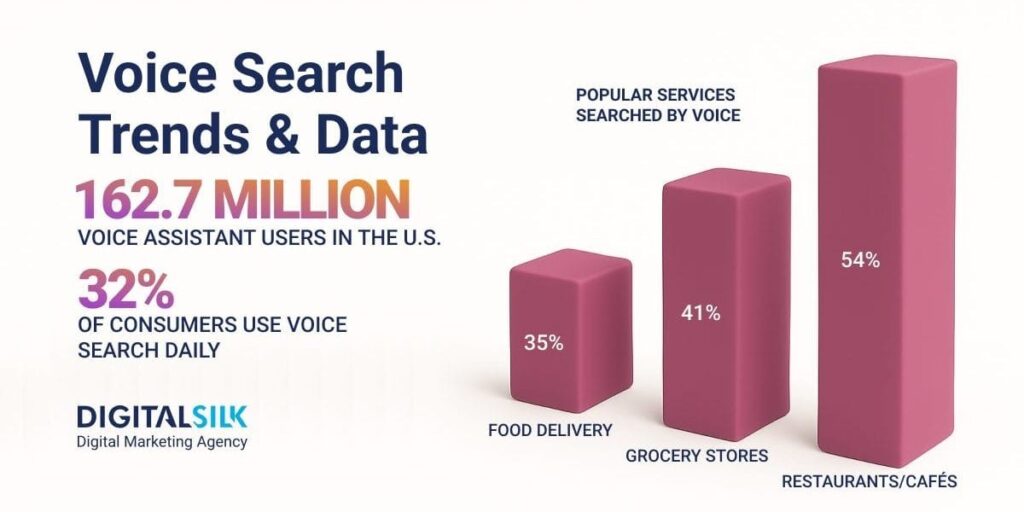
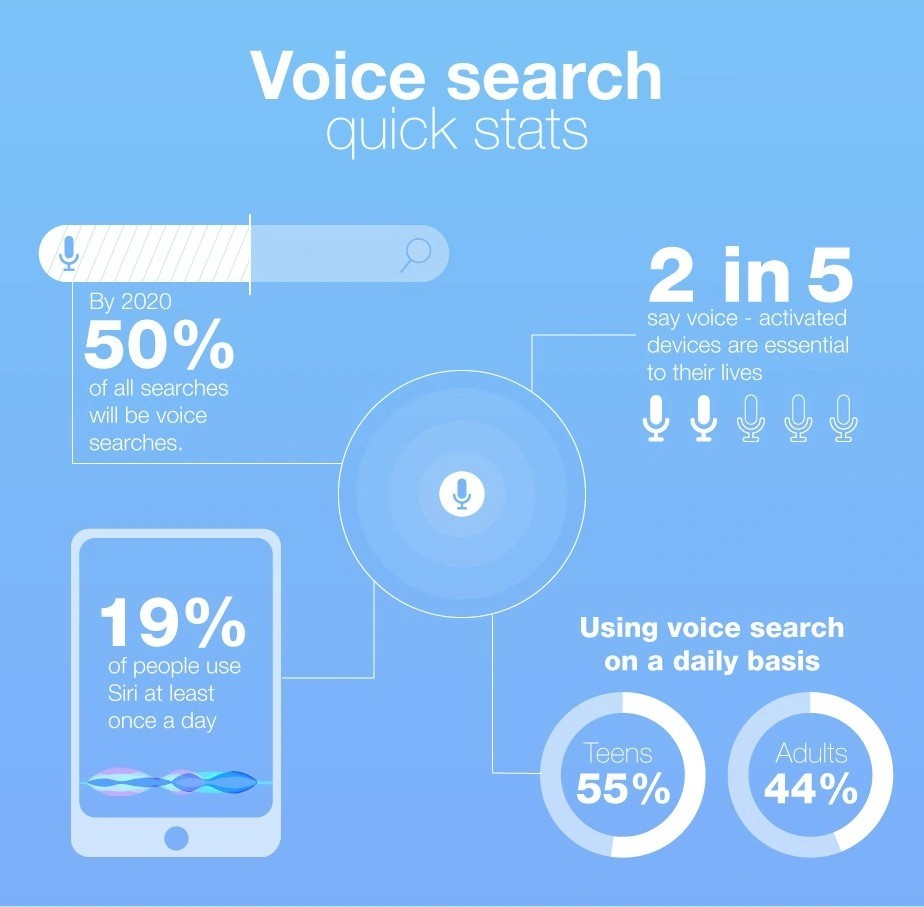
- Voice search in India has seen explosive adoption. According to a GroupM report, voice searches grew ~270% in the country.
- With millions of new internet users in Tier‑2 and Tier‑3 cities, voice makes search more accessible — speaking comes more naturally than typing for many.
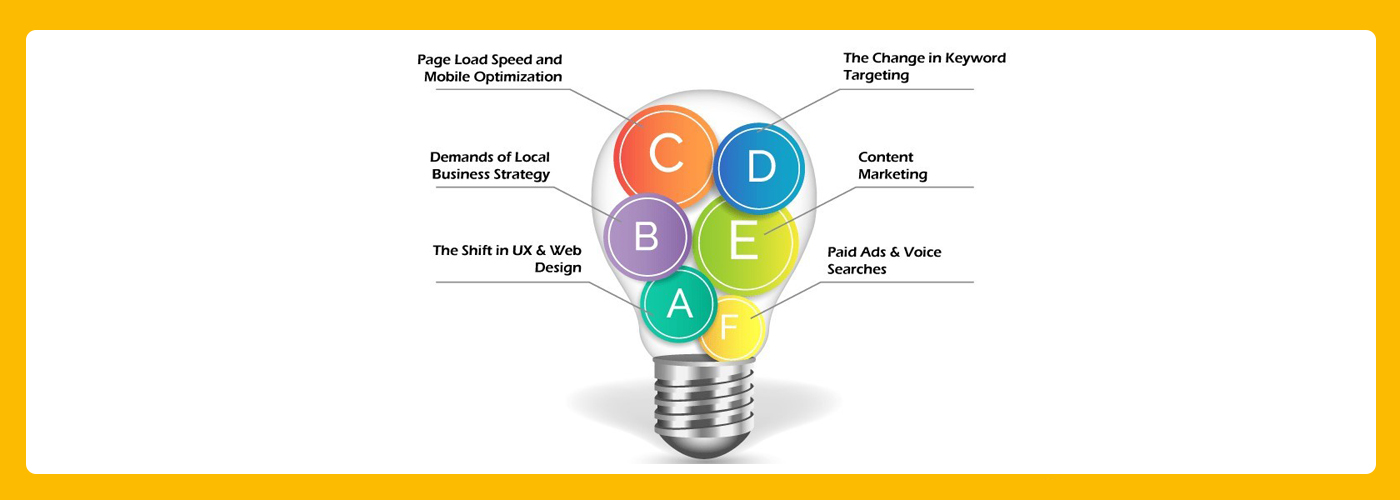
- The rise of conversational AI and longer, question-style queries means brands need to rethink SEO: it’s less about short keywords, more about natural, spoken phrases.
2. Multilingual & Regional Voice Search
- A major driver is India’s linguistic diversity: voice assistants now support many regional languages, making voice search usable for a much broader population.
- This shift is making voice-first strategies especially important for local and regional businesses.
3. AI‑Driven, Multimodal Search with “Search Live”
- Google is launching its AI Mode in India, offering multimodal search: users can now use voice + camera inputs.
- The “Search Live” feature enables conversational interactions with both voice and visual inputs — letting users speak a query or show an image to get results.
- This makes search more natural, interactive, and aligned with real-life behavior (pointing at things, asking questions).
4. Visual Search is Taking Off
- Visual search tools like Google Lens are gaining traction — users can take a photo of an object and look for similar items online.
- For e-commerce brands, this is a big opportunity: shoppers can instantly identify and buy products they see in real life.
- Optimizing product images (with good resolution, metadata, alt-text) is becoming more important, because visual search engines rely on quality visuals + structured data.
What These Trends Mean for Brands & Marketers
- SEO Strategy Must Evolve
- Local & Regional Optimization
- Leverage Structured Data & Schema
- Visual Assets Matter More Than Ever
- Create Multimodal Experiences
- Voice Commerce
Voice SEO requires a different approach than traditional SEO. Brands should optimize for question-based keywords, conversational phrases, and long-tail intents.
Because many voice searches happen in regional languages, businesses should localize content — not just translate.Voice-optimized FAQ pages, dialogue‑style content, and regional keyword research are powerful tools.
Using schema markup (FAQ, Q&A) helps search engines understand content and present it in voice results (e.g., as spoken answers).
Brands need high‑quality photos, well-tagged product images, and consistent visual content to show up in visual search results.
Integrate voice + visual capabilities: for example, let app users search by speaking or by uploading a picture.
As voice assistants become more capable, there’s a rising possibility of voice-driven shopping: “Add this to cart,” “Order from nearby store,” etc. Optimizing for voice commerce could be a major ROI opportunity.
Challenges & Risks
- Accent & Language Variability
- Search Intent is Complex
- Technical SEO Overhead
- Privacy & Trust
India’s linguistic diversity means a wide range of accents and dialects. Voice assistants still struggle to understand mixed-language (Hinglish / Tamlish) or heavily regional queries.
Spoken queries are longer and more context-heavy. Brands need to carefully predict and optimize for this intent.
Implementing schema markup,optimizing for voice + visual search, and ensuring site speed + mobile UX requires more technical investment.
Voice and visual search raise privacy concerns: users may hesitate to speak queries or scan images for purchases. Brands need to build trust.
Real-World Use Cases & Examples
- Media & Entertainment: Voice is increasingly used in Indian media apps. According to industry sources, many rural OTT users prefer voice for browsing content.
- Local Business Discovery: People use voice to find “near me” services — like stores, doctors, or restaurants — in local languages.
- AI Search: With Google’s AI Mode, users can ask follow-up questions or submit images to get richer, AI-generated responses.
Future Outlook
- Voice + visual search will become mainstream: As AI improves and connectivity grows, more Indian users will rely on these modes as primary search methods.
- Conversational UIs: Websites, apps, and chatbots will evolve to support voice-based interfaces and multimodal input.
- Hyper-local Personalization: Voice search combined with location context will help brands serve more personalized, region-specific recommendations.
- Voice Commerce Growth: Over time, voice may be used not just for search, but for direct purchases — especially for frequent buys.