
Case Studies of Indian Brands Winning with Local Digital Marketing
Case Studies
1. Meesho — Localizing for Tier‑2 / Tier‑3 India
- Strategy: Meesho’s digital marketing strategy is deeply rooted in India’s non-metro markets. Their “Arrey Waah!” campaign (2022) targeted users in Tier-2 and Tier-3 cities, especially women.
- They created ad films in multiple Indian languages — Bengali, Hindi, Tamil, Telugu, Kannada, Malayalam, Oriya, etc.
- They also leveraged social media + content marketing to build awareness among local resellers.
- Results & Impact: The campaign helped Meesho connect deeply with regional audiences, build trust, and grow both its consumer base and seller network in non-metro cities.
Lesson: Speaking directly to local audiences in their own languages pays off — especially when you target underserved regions.
2. Tata Tea Premium — Hyper‑Local Brand Messaging
- Challenge: As a premium tea brand, Tata Tea Premium competed with low-cost regional tea vendors. They needed to maintain a national premium image while resonating with local sensibilities.
- Strategy: Rather than a one-size-fits-all national campaign, they designed state-specific marketing mixes, tailoring messages for each region.
- They used local insights to build relevance — adapting visuals, content, and media strategy to match the cultural context of different states.
- Results: Their localized approach helped them defend market share and maintain their premium positioning even in the face of regional competition.
Lesson: Customizing your marketing mix region by region can help you balance national-level branding with local relatability.
3. ITC Ltd. — “Vocally Local” with #ProudlyIndian
- Campaign: ITC’s #ProudlyIndian campaign celebrated its Indian heritage by highlighting brands under its umbrella and emphasizing “Make in India” values.
- Tactic: They used social media heavily, combining rich storytelling with digital advertising to project a sense of national pride.
- They also used real-time engagement through conversation on social platforms, reinforcing the “local but global quality” message.
- Impact: This strengthened their brand voice among consumers who value locally made products, helping ITC’s subsidiaries connect emotionally with their Indian audience.
Lesson: Leveraging national identity (while keeping it local) can build trust and alignment with consumer values, especially when “local” is part of your business DNA.
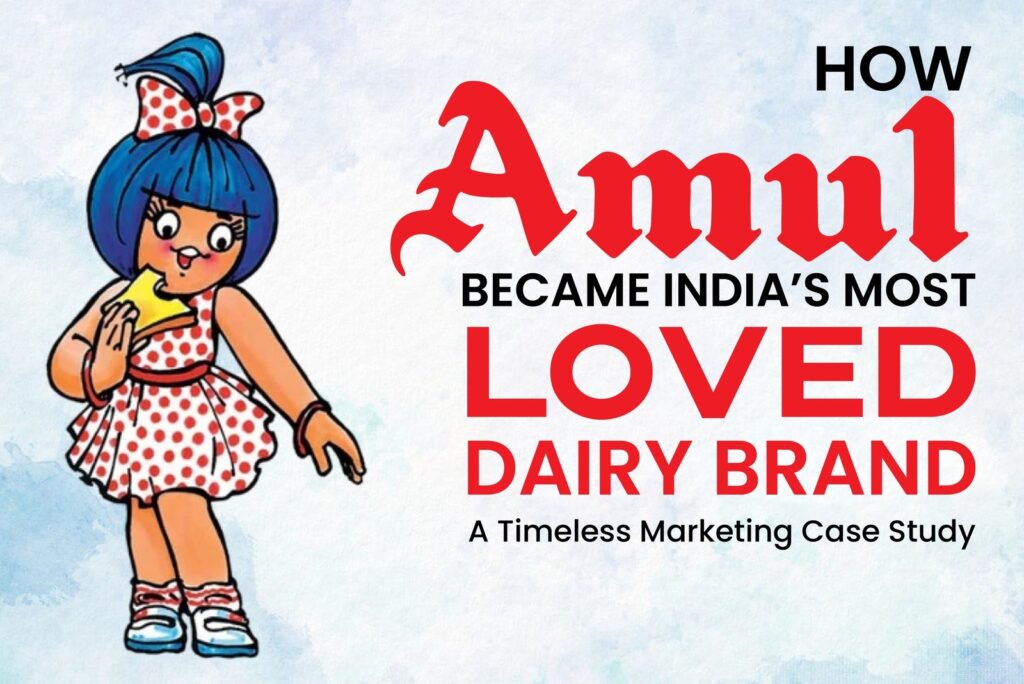
4. Amul — Topical & Culturally Relevant Digital Engagement
- Strategy: Amul is well-known for its iconic topical marketing (funny, current, and culturally relevant)— and it extends seamlessly to its digital presence.
- They consistently publish social content that references current events, pop culture, and regional trends.
- Results: This keeps their digital audience highly engaged while reinforcing their brand recall and emotional connection with consumers.
Lesson: Using real-time, culturally resonant content helps maintain relevance across different audiences. Local humor, regional references, and timely commentary can be very powerful.
5. Truecaller — Investing in Vernacular Content
- Strategy: Truecaller, which has a big user base in India, committed a significant portion of their marketing budget to vernacular content creation.
- They produced a mini-series (“Lolai Family with Nakkalites”) in Tamil, leveraging regional creators to build engagement in local markets.
- They also work with creators and influencers across many Indian languages and platforms to maximize reach.
- Impact: Their localized content strategy allowed them to resonate deeply with non-English-speaking users, improving brand affinity in regional markets.
Lesson: Creating localized narrative content (e.g., regional-language mini-series) builds authenticity and connection, especially in non-metro markets.
6. Paper Boat — Nostalgia + Storytelling for Regional Appeal
- Brand Story: Paper Boat (beverage brand) leans heavily into nostalgia and emotional storytelling.
- They produce short films, story-driven content, and digital campaigns that resonate emotionally with consumers — often tied to childhood memories.
- Their content often appeals in a culturally universal yet deeply Indian way, making it relatable across regions.
- Impact: This approach helps Paper Boat stand out in a crowded beverage market by building emotional resonance rather than just selling a drink.
Lesson: Emotional storytelling that taps into cultural memory can create a powerful bond with consumers — no matter which part of India they come from.
Key Takeaways & Lessons from These Case Studies
- Localization Isn’t Just Translation: These brands go beyond mere translation — they tailor their strategy, creative content, and media mix to regional cultures.
- Diverse Content Strategy: From mini-series in local languages to real-time social commentary, a varied content mix helps reach different audience segments.
- Cultural Relevance Builds Trust: Brands that align with regional values or national identity create deeper emotional connections.
- Audience Segmentation Matters: Targeting Tier-2 / Tier-3 cities (e.g., Meesho) or language-based segments (e.g., Truecaller) can unlock growth in underserved markets.
- Scalable Local Strategy: These are not small local campaigns — many are national brands executing localized campaigns at scale.
Conclusion
Indian brands that are winning in digital marketing today aren’t just going “digital” — they’re going local. By combining smart segmentation, culturally resonant storytelling, vernacular content, and real-time relevance, these companies are building meaningful relationships with diverse audiences across India.
For any brand looking to scale in India, these case studies highlight an important strategy: don’t just talk to India — talk to each part of India. Localization in digital marketing is no longer a nice-to-have; it’s a powerful lever for growth, engagement, and long-term brand loyalty.
