Local Market Focus — Especially for India
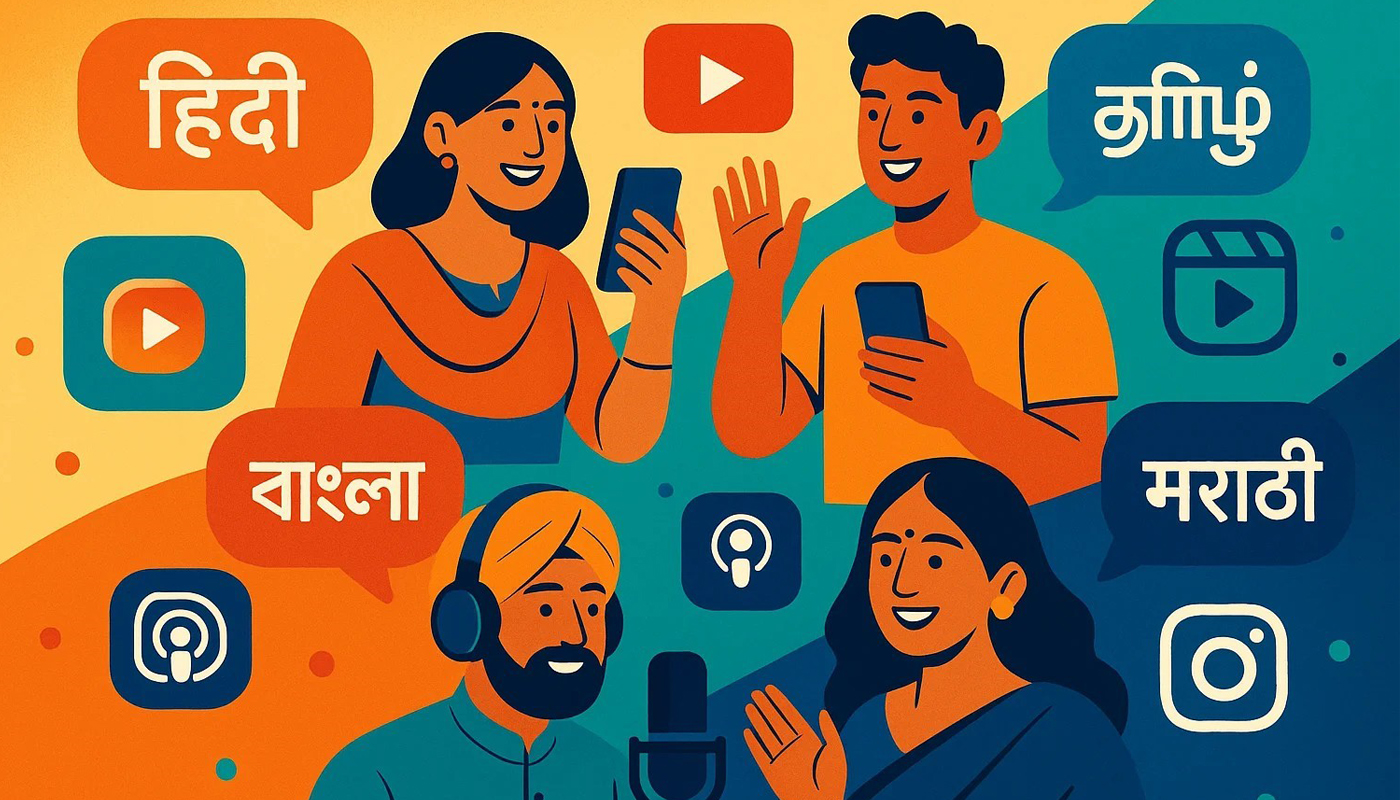
FIRST LESSON – First, creating content in vernacular languages is no longer optional — it’s essential. With over 73% of Indian internet users preferring regional-language content, brands that speak in Hindi, Tamil, Marathi, Telugu, or other local tongues build stronger emotional connections and trust. Translating English content isn’t enough: true calization involves using cultural nuances, regional idioms, and context‑sensitive storytelling.
SECOND LESSON -Second, a hyperlocal and voice‑first strategy can give brands a powerful competitive edge. Voice searches in India are growing rapidly, particularly in local languages, and many users in Tier‑2 and Tier‑3 cities prefer conversational, “near-me” queries. By optimizing for these voice-based and location‑specific searches, brands can increase their visibility where users are most ready to act.
THIRD LESSON – Third, regional influencers and content creators from non-metro regions are increasingly valuable. Partnering with micro- and nano‑influencers in smaller cities helps brands tap into tight-knit communities with shared cultural backgrounds — building authenticity and reach in a way national campaigns often cannot. These creators understand their audience’s language, values, and behavior more intimately, making their content resonate more deeply.
FORTH LESSON – Fourth, conversational commerce through local platforms is a must. Brands should leverage tools like WhatsApp Business, regional chat apps, and AI chatbots that support local languages to engage users in their preferred channels.
With localized conversational experiences, brands can simplify customer journeys from discovery to transaction — particularly in markets where messaging apps are deeply embedded in daily life.
FIFTH LESSON – Fifth, respecting privacy and building first‑party data is critical for long-term growth. As third-party data becomes less reliable, using consent-driven data collection (surveys, opt-ins) helps brands gather meaningful customer insights while maintaining trust. Combining this first-party data with regional insights ensures that messaging is not just relevant, but also personally meaningful and ethically grounded.
Conclusion
Focusing on the local Indian market is not just a smart move — it’s becoming a must-have strategy for brands that want to scale meaningfully. As internet penetration continues to grow beyond metro cities, regional audiences will play a central role in a brand’s growth. By investing in vernacular content, hyperlocal personalization, creator partnerships, and respectful data practices, brands can not only increase reach and conversions — but build deep, authentic connections with audiences across India.
