
Micro‑Influencer Marketing in Regional India
In India’s booming creator economy, a powerful shift is underway: micro‑influencers — especially those based in Tier 2 and Tier 3 cities, speaking regional languages — are becoming the new engine of influencer marketing. According to the 2025 Kofluence report, over half of marketers now see micro-influencers (10,000–100,000 followers) as optimal for hyperlocal campaigns.
This trend is being fueled by several factors: the rapid digital adoption in smaller Indian cities, deep cultural and linguistic diversity, and consumers’ growing preference for authenticity over celebrity glamour. Brands are waking up to the fact that creators rooted in regional identities can drive more meaningful engagement, trust, and conversion than traditional macro influencers.
As connection becomes more important than reach, marketers are rethinking their influencer strategies. Micro‑influencers in regional India are not just content creators — they’re community leaders, storytellers, and bridges between brands
and deeply localized audiences. In this blog, we explore the lessons brands can draw from this trend, and how to embed micro‑influencer marketing into a regional growth strategy.

5 Lessons from Micro-Influencer Marketing in Regional India
- It’s accurate and directly tied to your real users.
- It’s privacy-friendly, since it’s collected with user consent and under your brand’s
control. - It reduces reliance on third-party sources, meaning lower costs and higher ROI
What Does Hyper-Personalisation Look Like?
1. Hyperlocal Authenticity Trumps Follower Count
Micro‑influencers from non-metro cities bring a level of cultural resonance that mass influencers often lack. Their connection with local traditions, language, and community life makes their content relatable and trustworthy. According to Kofluence, a large portion of brands’ influencer budgets is now being allocated to these creators precisely because of this local authenticity.
2. Better Engagement and ROI with Micro Creators
Micro-influencers often deliver higher engagement rates than macro celebrities. They have smaller but more devoted audiences. According to LetsInfluence, micro‑influencers in India deliver significantly better ROI because their audience trusts them deeply, and their content is more niche and natural. In fact, 52% of marketers told Kofluence that micro-influencers are their go-to for regional campaigns.
3. Long-Term Relationships Are Winning
Instead of one-off brand shoutouts, many companies are now forming sustained partnerships with micro‑influencers. This not only builds continuity but also helps the creators become true brand ambassadors in their local communities. As the LetsInfluence report highlights, long-term and value-aligned collaborations are becoming a norm.
4. Regional Language Content is Key
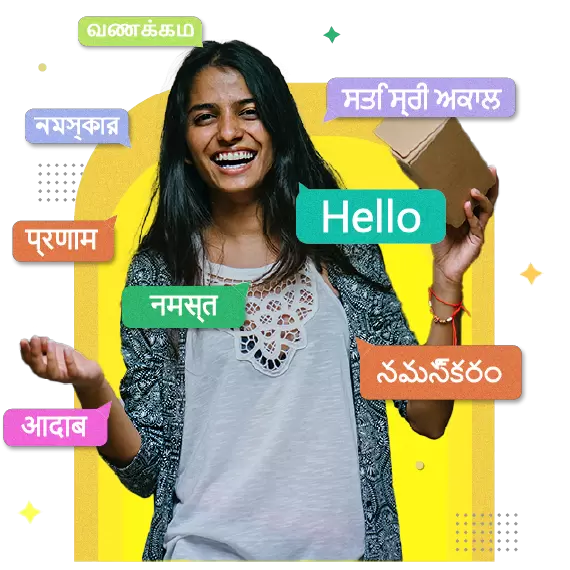
With India’s linguistic diversity, content in local languages is no longer niche — it’s essential. According to TopInfluencersIndia, creators from Tier 2 and Tier 3 cities, producing content in Hindi, Tamil, Marathi, and other languages, are at the forefront of influencer marketing’s next wave. These creators resonate more because they speak the audience’s language — literally — making campaigns feel personal and relevant.
5. Data-Driven & Cost‑Effective Campaigns
Thanks to ad‑tech and influencer platforms, brands can now discover and manage micro‑influencers more efficiently. The Kofluence report indicates that many companies are directing their spend to micro‑influencers because of their better ROI, but they are also using technology (including AI) for discovery and measurement. Plus, micro-influencer rates are often more affordable: Kofluence mentions campaigns often cost from ₹2.5K to ₹80K depending on category and scale.
Why This Strategy Is Especially Powerful in Regional India
- Digital Penetration Beyond Metros
- Trust Over Reach
- Cost Efficiency
- Localized Storytelling
- Scalable Impact
India’s internet is expanding rapidly into smaller towns. Micro‑influencers in these regions become the natural voice for brands trying to reach Tier 2 and Tier 3 audiences.
These creators don’t only provide reach, but trust — often embedded in their local communities. People in these regions value creators who “get them.”
Working with micro‑influencers in regional markets can cost less per engagement than more famous influencers, making it ideal for brands scaling on tighter budgets.
Regional creators tell stories rooted in their environment — festivals, language, food, local culture — which helps brands create deeper emotional connections.
Brands can deploy many micro‑influencer partnerships across different regions, building a patchwork of influence rather than relying on a few big names.
Challenges to Watch Out For
- Discovery & Vetting: Finding genuine micro‑influencers in regional markets is still difficult. Not all discovery platforms cover smaller creators well.
- Quality Control: Ensuring the content quality, authenticity, and alignment with brand values requires thoughtful vetting and guidance.
- Measurement: Tracking the ROI from many small influencers can be complex — brands need tools and metrics beyond vanity metrics (likes, follower counts).
- Saturation Risk: As more brands move into micro-influencer space, overuse may dilute authenticity or increase costs.
- Long-Term Investment: Building meaningful relationships takes time; expecting immediate sales from every micro‑influencer collaboration may be unrealistic.
Conclusion
Micro‑influencer marketing in regional India is not just a trend — it’s a transformative strategy. As digital penetration deepens across smaller cities and cultural diversity thrives, brands that harness the power of local creators are gaining more than visibility — they’re winning trust, engagement, and loyalty.
By investing in micro‑influencers who are culturally rooted, speaking local languages, and deeply connected with their audiences, brands can unlock growth that is authentic and sustainable. This isn’t about chasing vanity metrics; it’s about building meaningful,long-lasting connections in the places that matter most.
For marketers in 2025 and beyond, the message is clear: don’t just partner with creators — partner with the communities they lead. In regional India, that can be the key to scaling smarter, not just bigger.
