
Social Commerce in India’s Local Markets: A Deep Dive
Why Social Commerce Is Exploding in India
- The social commerce market in India is growing rapidly;IMARC estimates it was USD 7.2 billion in 2024, and projects a CAGR of ~22.4% through 2033.
- According to reports, the market could hit USD 55 billion by 2030.
- A study commissioned by Meta found that nearly 80% of Indian shoppers discover products via social media, and 60% are likely to buy something after seeing an offer on WhatsApp.
- Smartphones and affordable data are fueling this trend, especially in Tier‑2 and Tier‑3 cities.
Key Drivers & Local Market Dynamics
1. Discovery → Purchase Loop on Social Platforms
People no longer just browse social media — they shop there. Platforms like Instagram, Facebook, and WhatsApp are being used not just for inspiration, but for transaction.
2.Trust & Community Matter
In local markets (especially smaller towns), social recommendations and peer suggestions have massive impact. Consumers trust what they see from friends, family, or local
sellers on social media.
3. Influencer & Creator-Led Commerce
Influencers and creators — especially local or regional ones — play a big role in driving purchases. Their content helps in discovery, and they often run live‑selling sessions or attach product links.
4. Localized Payments & Social Chat Buying
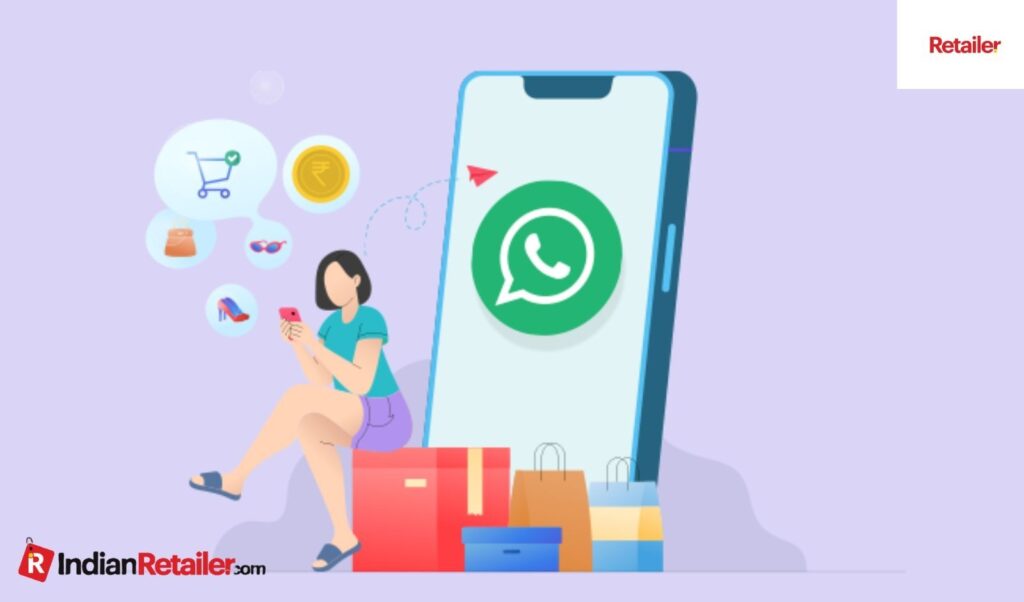
Payments via UPI or other local methods make buying easier. On WhatsApp, for example, brands or resellers can chat, showcase catalogues, and complete orders — all inside the messaging app.
5. Vernacular & Regional Focus
Content in local languages (vernacular content) helps brands connect with consumers in non-metro markets. This localization is a key factor for adoption and trust.
Challenges & Risks in Local Social Commerce
- Authenticity & Counterfeits: Risk of low-quality products or fakes selling via social commerce, especially when trust is high but verification is low.
- Logistics for Local Sellers: Managing inventory, returns, and delivery can be difficult for sellers operating from smaller towns.
- Payment Trust: Some local buyers may still hesitate to pay via digital means or social apps; trust needs to be built.
- Digital Literacy: Not all consumers or small sellers are tech-savvy; enabling them to use social commerce tools requires education and support.
- Regulation & Consumer Protection: With sales happening on social platforms, there’s a need for clarity around consumer rights, dispute resolution, and data protection.
How Brands Can Win in Social Commerce (in Local Markets)
1.Build a Social Storefront
- Create a catalog on WhatsApp Business, Instagram Shops, or Facebook Shops.
- Organize products in a way that’s easy for social users to browse and buy.
2.Use Local Influencers / Micro‑Sellers
- Partner with local creators or micro‑resellers in Tier‑2/3 cities.
- Run live commerce sessions: demos, Q&A, limited-time offers via WhatsApp or Instagram Live.
3.Leverage Social Trust
- Use peer-to-peer selling: encourage existing customers to share catalogs with their own social circles.
- Create community-driven campaigns or referral programs to amplify reach.
4.Optimize for Local Payment Behavior
- Accept UPI, BNPL, and other popular payment methods in India.
- Make payment flow as seamless as possible inside the social channel.
5.Focus on After‑Sales Support
- Provide easy customer support inside WhatsApp or social platforms.
- Handle returns and inquiries quickly to build trust.
6.Educate & Enable Local Sellers
- Provide training for small sellers on how to list products, engage customers, and handle logistics.
- Use simple tools / apps to help them scale their social commerce business.
Real-World Examples / Use Cases
- WhatsApp Commerce: Small sellers use WhatsApp to send product catalogs, take orders, and process payments.
- Instagram + Facebook Shops: Brands are tagging products in posts & Reels, allowing users to click and buy without leaving the app.
- Live Commerce: Sellers host live video sessions to showcase products, answer questions, and push limited offers — especially effective for fashion, beauty, and home goods.
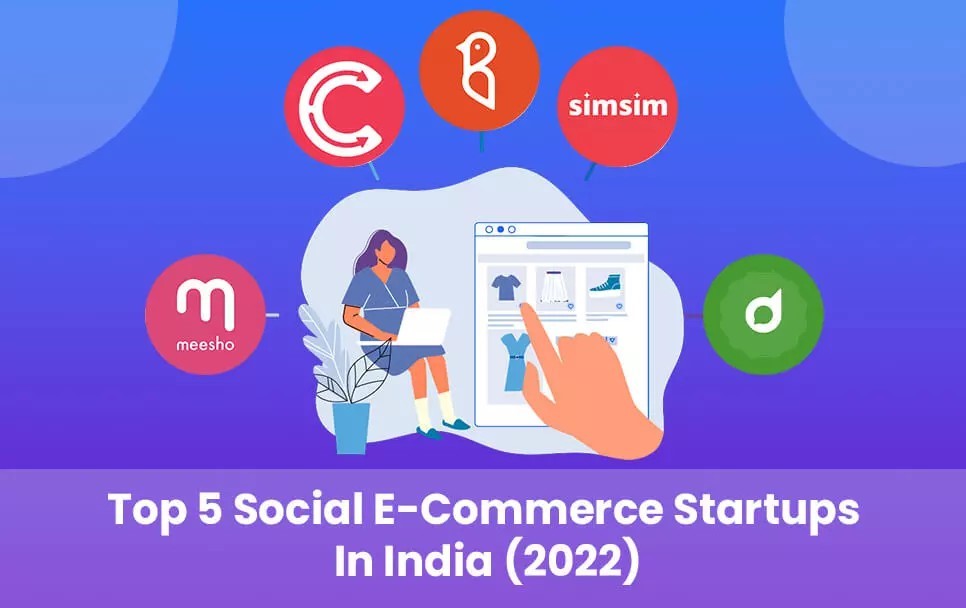
- Reseller Models: Platforms like Meesho and GlowRoad empower individuals to resell products via their social networks, blending peer-to-peer commerce and social engagement.
Why Local Social Commerce Is a Strategic Must for Brands
- Untapped Potential: Many consumers in smaller cities are now online, but are underserved by traditional e-commerce.
- Lower CAC (Cost of Acquisition): Selling through social reduces dependence on paid ads; word-of-mouth, resellers, and organic reach help.
- Build Deeper Relationships: Social commerce isn’t just transactional — it’s relational. You can engage buyers, not just sell to them.
- Scalable & Flexible: Brands can start small (e.g., via WhatsApp) and scale up to more structured social commerce as they grow.
Conclusion
Social commerce is not just an “add-on” channel in India — it’s quickly becoming a central pillar of how people discover, trust, and buy products, especially in local markets. For brands, the opportunity lies in leveraging social platforms, building real peer-based engagement, and making the checkout process as seamless as chatting with a friend. If you’re building a digital strategy for India in 2025, social commerce — especially at the local level — should be at the heart of it.
